Letsvisitpersia

Zoroastrian sites in Iran

Zoroastrian sites in Iran originated on the Iranian plateau over three thousand years ago. This religion, rooted in the teachings of the prophet Zoroaster, introduced ideas that later shaped many world religions and emphasizes the eternal struggle between good and evil, the power of free will, and the pursuit of truth and light.


Before the rise of Islam, Zoroastrianism was not only a religion but also the foundation of the Persian Empire’s moral and cultural identity, influencing art, architecture, and social values for centuries.


Today, visitors can still find traces of this ancient belief across Iran, from sacred fire temples and pilgrimage sites to age-old traditions preserved by local Zoroastrian communities.

These landmarks are not merely historical monuments they are living reminders of a philosophy that celebrated purity, harmony with nature, and respect for all creation.


Visiting them offers a rare opportunity to connect with one of humanity’s earliest spiritual paths and to understand the deep cultural roots that continue to shape Iranian identity.
Quick Access

An Introduction to Zoroastrian sites in Iran

Iran is home to a rich tapestry of Zoroastrian heritage, with numerous fire temples and pilgrimage sites scattered across the country. These sacred places, some dating back thousands of years, reflect the enduring spiritual and cultural legacy of one of the world’s oldest religions.


While countless sites exist, many remain hidden, inaccessible, or known only to local communities.

In this article, we focus on the most prominent and historically significant Zoroastrian sites such as fire temples and pilgrimage places that visitors can actually explore today.


From majestic Sasanian-era temples to serene mountain shrines, these locations offer a unique glimpse into the religious traditions, architectural mastery, and timeless rituals.

By highlighting the most remarkable and accessible sites, we aim to guide travelers and history enthusiasts alike on a journey through the heart of Zoroastrian heritage.

Sacred Sites That Reflect Ancient Zoroastrian Beliefs

Shrines, also known as Pirs (Pir means wise and holy person)


In the Zoroastrian tradition of Iran, the word Pir appears in the names of many Zoroastrian pilgrimage sites and generally refers to a sacred place or shrine.

In Iranian Zoroastrian culture, a Pir refers to a sacred site where Zoroastrians go to pray, make pilgrimages, and take part in religious ceremonies. Many of these sites lie in natural settings, particularly in mountainous areas and locations far from cities.


Importantly, Pirs are not simply historical monuments. Many of them remain active religious sites, where Zoroastrians continue to gather for pilgrimage and religious ceremonies.

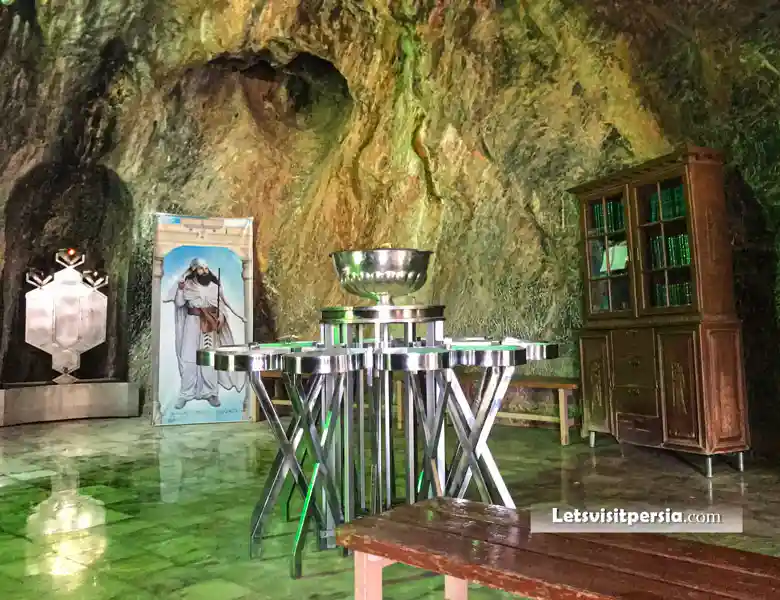
Interior of Chak Chak Zoroastrian pilgrimage shrine in Yazd, Iran
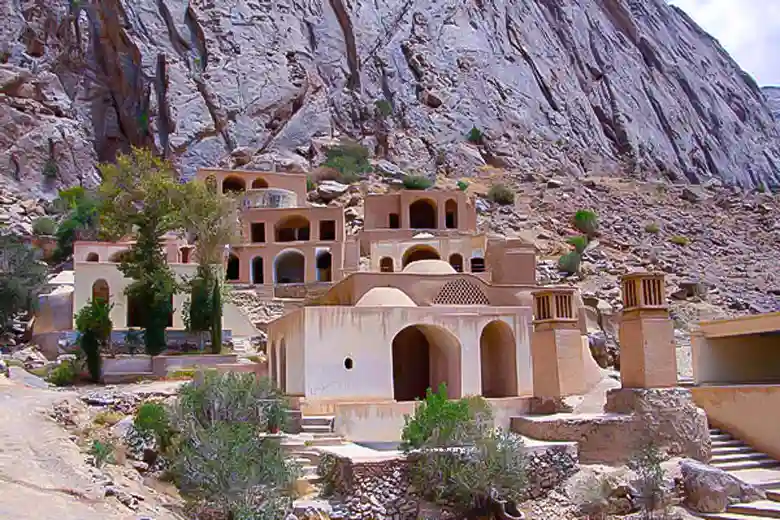
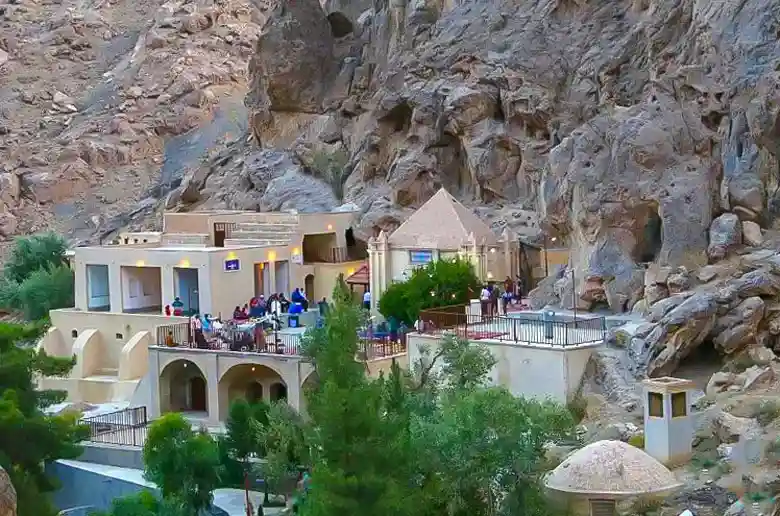
Chak Chak (Pir-e Sabz) Zoroastrian shrine in Yazd

Chak Chak, known as Pir-e Sabz

It is perhaps the holiest Zoroastrian shrine and pilgrimage site in Iran. This holy shrine stands deep in the desert mountains, about 70 kilometers northeast of Yazd, in Ardakan city.


Built around a natural spring that seeps from the rock face, the shrine marks the place where Nikbanou, the daughter of the last Sassanian king, Yazdegerd III, sought refuge during the Arab conquest in the 7th century.


According to the local beliefs, the mountain miraculously opened to protect her, and the drops of water that still fall from the cliff are seen as her eternal tears.


The complex itself is carved into the rocky slope and features a fire temple, sacred sycamore trees, and terraces that overlook the vast desert landscape.

Every year, from June 14 to June 18, Zoroastrians from Iran and around the world gather here for an important pilgrimage festival. During this time, the shrine becomes alive with prayers, rituals, and communal gatherings that celebrate both faith and cultural identity.


The remote location of Chak Chak, perched high in the cliffs and accessible by a winding mountain road, adds to its aura of mystery and spirituality.

More than just a religious sanctuary, it stands as a living symbol of perseverance and resilience, attracting visitors who wish to experience not only Zoroastrian traditions but also the profound silence of the desert

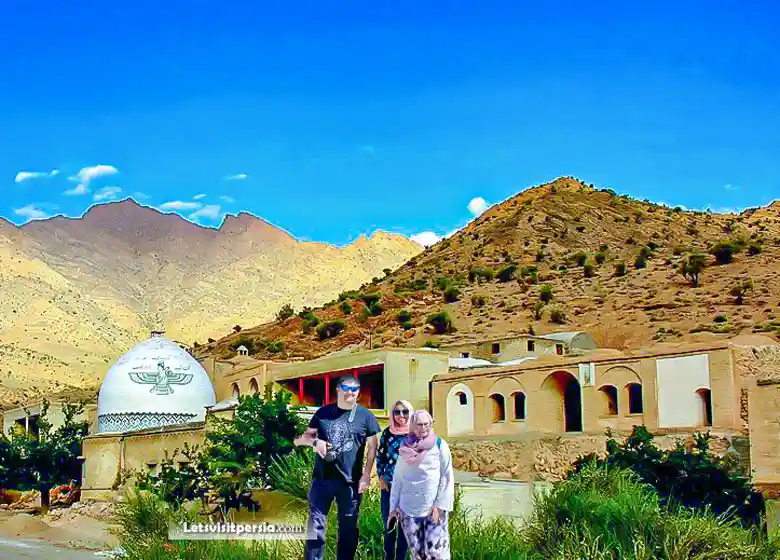
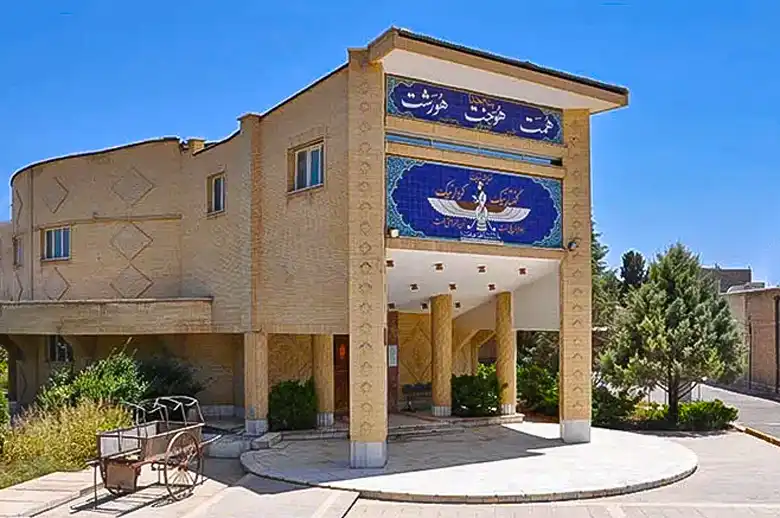
Exterior of Pir-e Herisht Zoroastrian shrine in Yazd, Iran
Pir-e Herisht Zoroastrian shrine in Yazd, Iran.

Pir-e Herisht

Pir-e Herisht, situated approximately 90 kilometers northeast of Yazd, near Ardakan, is one of the most significant Zoroastrian pilgrimage centers in Iran. Surrounded by the stark yet beautiful desert mountains, this shrine is dedicated to Anahita, the ancient goddess of water and fertility.


Its name, meaning “the ancient elder,” reflects its deep spiritual significance for Zoroastrians, who believe that the site has been a place of worship for centuries.


Pir-e Herisht shrine is dedicated to Morvarid, the royal governess of Yazdegird, who miraculously escaped capture when a mountain opened to protect her. Later, a traveler built the shrine after his lost daughter was safely returned by a mysterious woman who revealed herself as Morvarid before vanishing.

The simple stone structure of the sanctuary, combined with the serene landscape around it, creates a powerful sense of solitude and reverence. Every year, Zoroastrian families from across Iran and even abroad gather here to pay homage, reconnect with their faith, and celebrate their cultural heritage.


The pilgrimage usually takes place in the middle of autumn, when the shrine becomes alive with rituals, prayers, and traditional gatherings. Pilgrims bring offerings, light fires, and recite Avesta hymns, turning the quiet desert into a vibrant community of devotion.


Beyond its religious role, Pir-e Herisht is also a cultural symbol, representing the resilience of Zoroastrian traditions in the heart of Iran.

For visitors, whether Zoroastrian or not, the shrine offers not only a glimpse into one of the world’s oldest living religions but also a unique chance to experience the harmony between spirituality and the desert’s timeless landscape.

Pir-e Naraki Zoroastrian shrine and surrounding landscape in Yazd, Iran
Distant view of Pir-e Naraki - Zoroastrian Sites in Iran

Pir-e Narek (Pir-e Nāraki)

Pir-e Naraki, also known as Pir-e Nārak, is another sacred Zoroastrian pilgrimage site in Iran, located about 60 kilometers southwest of Yazd, near the town of Mehriz.


Nestled on the slopes of a mountain overlooking the desert, this ancient sanctuary is dedicated to one of the pirs (holy figures) deeply revered by Zoroastrians.


The site’s setting, where rugged rocks meet the vast silence of the desert, adds to its mystical aura. Pilgrims believe that the shrine marks a place of divine revelation and spiritual refuge, and it has served for centuries as a destination for prayer, vows, and renewal of faith.

Every year, especially in late summer, Zoroastrian pilgrims from Iran and abroad gather at Pir-e Nāraki for an annual ceremony known as mela, celebrating unity, purity, and connection with nature and the divine.

The compound includes caves, springs, and stone structures the community has carefully preserved.


While simple in design, its atmosphere reflects deep spiritual devotion. Visitors, Zoroastrian or not, often describe the place as peaceful and timeless, offering a glimpse into one of the world’s oldest living religions and its enduring harmony with nature.


The shrine of Pir-e Naraki is devoted to Nazbanu, the daughter of the governor of Pars. As the legend goes, Nazbanu also known in some accounts as Zarbanu, fled from danger and made her way toward Taft.

From there, she continued her escape into the surrounding mountains, ascending the rocky slopes until she reached the site that is now venerated as Pir-e Naraki.


The quiet desert surroundings enhance the mystical aura of the place, where pilgrims gather to honor their ancestors and connect with one of the oldest faiths in the world.

Families camp near the site, sharing meals and stories, turning the stark desert into a lively cultural festival. While the shrine is primarily a place of worship, it also embodies the endurance of Zoroastrian heritage through centuries of change.


For travelers, Pir-e Narek is more than a religious landmark; it is a living reminder of Persia’s pre-Islamic traditions and the resilience of a community that has preserved its identity in the face of time.

Exterior of Pir-e Pars Banu Zoroastrian sites in Iran
Distant view of Pir-e Naraki - Zoroastrian Sites in Iran

Pir-e Pars Banu (Pir-e Banu or Pir-e Meherbanu), also known as Shahrbanu

Located 110 kilometers northwest of Yazd, a short distance from the village of Aqda, is the shrine of Pir Pars Banu, one of the most revered Zoroastrian shrines associated with the last Sasanian royal family.


According to legend, Banu-Pars, the youngest daughter of Yazdegird III, fled from the Arabs and, after failing to get milk from a farmer, prayed for salvation as her pursuers approached.


Miraculously, the mountain opened, and she vanished inside, escaping capture.

The sanctuary itself is modest, a small chamber built into the rocky landscape, but the site’s atmosphere conveys a profound sense of history and devotion.

Surrounded by dramatic desert scenery, the shrine has become a place where Zoroastrians honor both their faith and the memory of their ancestors who faced exile and hardship.

Each year, during summer, pilgrims gather at Pir-e Banu to recite prayers, light sacred fires, and renew their connection to ancient traditions.


Families camp nearby, turning the pilgrimage into a vibrant celebration of both spirituality and cultural identity.

Beyond its role as a holy site, Pir-e Mehrbanu reflects the resilience of a faith that has survived for millennia, carried forward through stories, rituals, and shared memory.


Though less well known outside Zoroastrian circles, this shrine is an essential part of the chain of sacred sites around Yazd that keep the ancient religion alive.

For visitors, Pir-e Pars Banu offers not only a rare encounter with Zoroastrian devotion but also a chance to experience how history, legend, and the desert landscape merge into a living tradition.

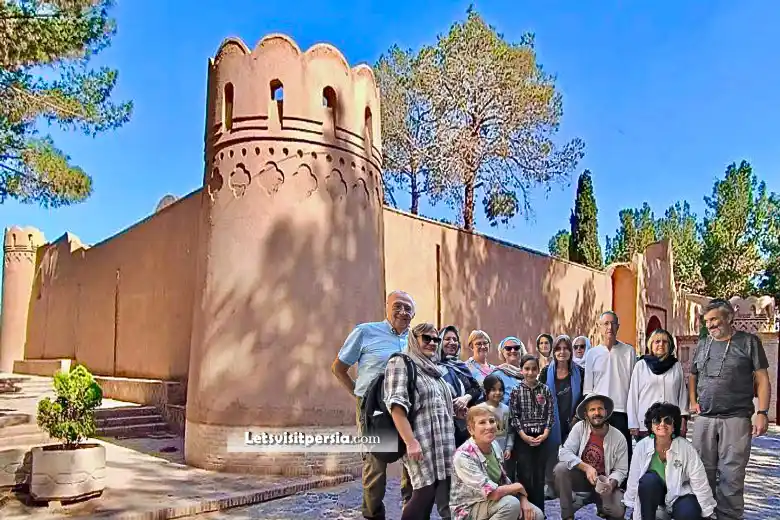
Exterior of Seti Pir Zoroastrian shrine with visitors in Yazd, Iran
Seti Pir Zoroastrian shrine

Seti pir (Asdan Castle)

Seti Pir stands near Yazd in central Iran and serves as one of the most important pilgrimage destinations for Zoroastrians.

Seti Pir, also known as Asdan Castle, is a historic site near Yazd that holds both spiritual and architectural significance.


Originally serving as a defensive fortress, it later became a sacred pilgrimage site for Zoroastrians.


This sacred site is dedicated to a revered female figure in Zoroastrian tradition, who is believed to have lived in the region and played a significant spiritual role in the local community.


The structure reflects a combination of practical military design with traditional Zoroastrian architectural elements, including a central hall and open spaces for communal worship, symbolizing the harmony of strength and spirituality.

Though modest in size, Seti Pir has long been a center for prayers, religious ceremonies, and community gatherings, reflecting the enduring spiritual heritage of Zoroastrianism in Yazd.

Seti Pir’s location amid the desert landscapes of Yazd enhances its serene and contemplative atmosphere, offering visitors both spiritual solace and a connection to nature.


The site not only serves religious purposes but also preserves the cultural memory and local traditions associated with the female figure to whom it is dedicated.

Today, while the site no longer functions as a fortress or hosts regular religious rituals, it remains an important cultural and historical landmark.


It stands as a testament to the enduring influence of Zoroastrian traditions, the resilience of ancient architecture, and the spiritual heritage embedded within Iran’s central plateau.

Distant view of Pir-e Narastaneh Zoroastrian shrine with pilgrims in Yazd, Iran
A religious ceremony at Pir-e Narastaneh

Pir-e Narastaneh

Pir-e Narestaneh is the only shrine linked to a male royal figure, Prince Ardeshir, the son of the last Sassanian king, Yazdegerd III.

The legend tells of a prince who disappeared into the mountains while escaping his Arab enemies.


Long after, a hunter encountered a deer that turned into the prince’s spirit, asking for a memorial to be built. The hunter fulfilled his wish and was rewarded with blessings.


The sanctuary, set against the backdrop of desert hills and scattered pomegranate orchards, hence its name “Narastaneh”, offers both a spiritual retreat and a reminder of the endurance of an ancient faith.

The site carries profound symbolic meaning for Zoroastrians, blending history, legend, and the natural beauty of its surroundings.

The commemorative and thanksgiving ceremony of Pir-e Narestaneh is held in late March, on the very day when, according to legend, the prince disappeared.


The shrine becomes a gathering point where families reunite, camp under the stars, and celebrate traditions that have been preserved for centuries.

Unlike some of the larger Zoroastrian pilgrimage sites, Pir-e Narastaneh is more intimate, creating a closer sense of connection between the visitor, the landscape, and the spiritual memory of the place.


For travelers, it offers not just a glimpse into Zoroastrian devotion, but also an authentic experience of how history and faith continue to shape life in the desert heart of Iran.

Historical Landmarks Connected to Zoroastrian Traditions

Fire Temples


Fire temples are another important type of sacred Zoroastrian building. During the Sasanian period, fire temples existed throughout the Persian Empire. However, some held a much greater religious significance than others and were associated with particular groups within society.


For example, some temples housed the sacred fire of the priests, while others maintained the sacred fire of the warriors. Zoroastrians kept these fires burning for many years, and they regarded allowing one of them to go out as an unfortunate and even ominous event.


It is also important to note that fire represents purity in Zoroastrianism. Zoroastrians have never worshipped fire itself; rather, they regard it as a sacred symbol and manifestation of purity.

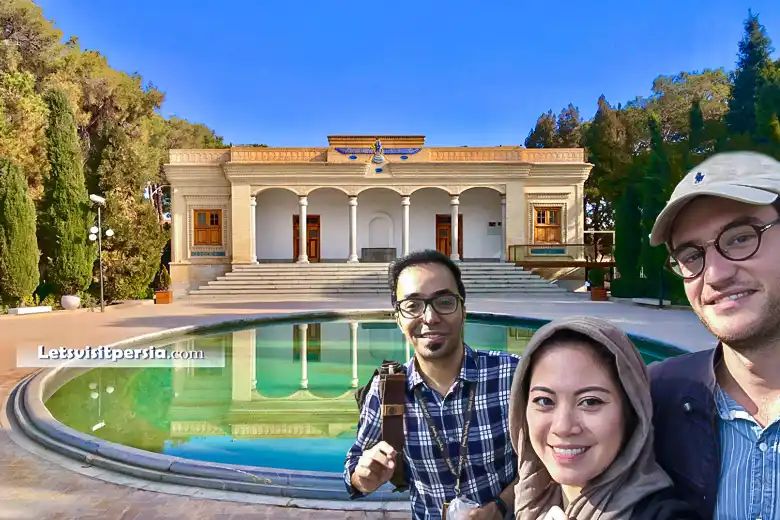
Yazd Fire Temple courtyard - Zoroastrian Sites in Iran
Yazd Fire Temple, one of Persia’s sacred fires

Yazd Fire Temple (Bahram or Warham)

The fire in Yazd is the highest ritual flame in Zoroastrianism and is revered in Iranian culture as the guardian of all fires in the world.


The Zoroastrian Fire Temple of Yazd, also known as Atashkadeh Yazd, stands as a remarkable testament to Iran’s ancient spiritual heritage.


Located in the heart of Yazd, this sacred site preserves a flame that has been continuously burning for over 1,500 years, symbolizing purity, wisdom, and the eternal light revered in Zoroastrianism.


The temple’s architecture blends simplicity with elegance, featuring traditional Persian design elements such as high domes, intricate tile work, and serene courtyards that invite reflection and reverence.

Visitors are often struck by the serene atmosphere and the sense of connection to a faith that has endured through centuries of change.


Inside the temple, the sacred fire is kept in a protective glass enclosure, emphasizing both its importance and the care devoted to preserving it.

Pilgrims and tourists alike are drawn to this site not only for its religious significance but also for the cultural and historical insights it offers into Zoroastrian practices.


The temple stands as a symbol of resilience, embodying the spiritual continuity of one of the world’s oldest religions, and remains a central place of worship and contemplation for the Zoroastrian community in Iran today.

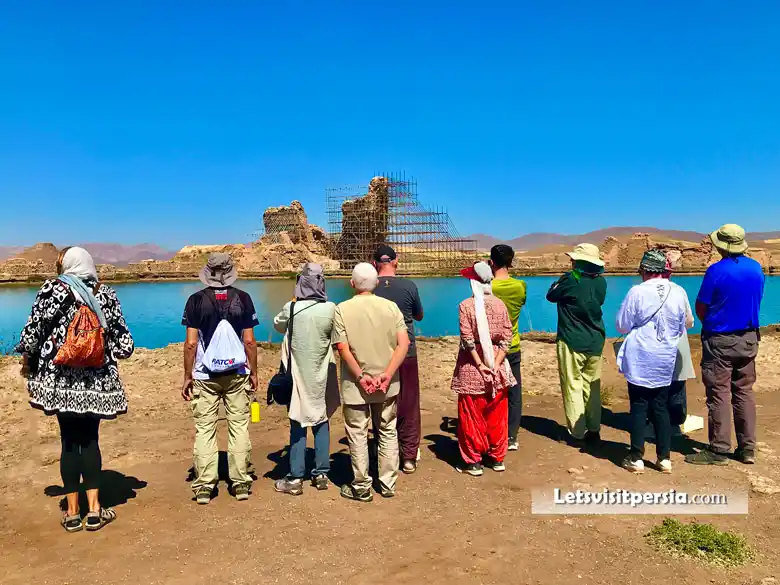
Takht-e Soleyman and the Adur Gushnasp fire temple
Takht-e Soleyman and the ancient Adur Gushnasp fire temple

Azar Gashnasp Fire Temple

The Azar Gashnasp Fire Temple, located in the historic region of West Azerbaijan, stands as one of the most sacred sites of Zoroastrianism.


This temple, renowned for housing an eternal flame, has long been a center of religious devotion and cultural significance.


Throughout history, it has been regarded not only as a spiritual sanctuary but also as a symbol of protection, where the fire itself is believed to embody divine presence.


The architecture of the temple reflects ancient Persian design, with stone walls, vaulted chambers, and carefully preserved altars that highlight the importance of ritual and reverence in Zoroastrian practice.

Visitors to Azar Gashnasp are often struck by the sense of continuity and resilience that permeates the site.

The flame, meticulously maintained, is celebrated as a guardian of spiritual light, connecting generations of worshippers to centuries of tradition.


Beyond its religious role, the temple offers valuable insights into the rich cultural and historical tapestry of the region, standing as a testament to the enduring influence of Zoroastrianism in Iran and the surrounding lands.

Its presence continues to inspire awe and respect among pilgrims, scholars, and tourists alike.

Exterior of Kerman Fire Temple
Kerman Fire Temple, a Zoroastrian heritage site in Iran

Kerman Fire Temple

The Fire Temple of Kerman, situated in the heart of southeastern Iran, is a prominent site of Zoroastrian heritage.


Known for preserving an eternal flame, the temple serves as a spiritual center where the fire is venerated as a symbol of purity, wisdom, and divine light.


Its architecture showcases traditional Persian design, featuring arched entrances, serene courtyards, and carefully maintained interiors that reflect the reverence Zoroastrians hold for their rituals.


The temple has withstood centuries of change, standing as a testament to the resilience of Zoroastrian culture in the region.

Visitors to Kerman’s Fire Temple often experience a deep sense of connection to ancient traditions. The eternal flame, safeguarded with devotion, represents continuity and spiritual guardianship, linking past and present generations of worshippers.


Beyond its religious significance, the temple offers a rich cultural experience, providing insights into the historical and social fabric of southeastern Iran. It remains a place of reflection, awe, and respect for both pilgrims and tourists seeking to understand the enduring legacy of Zoroastrianism.

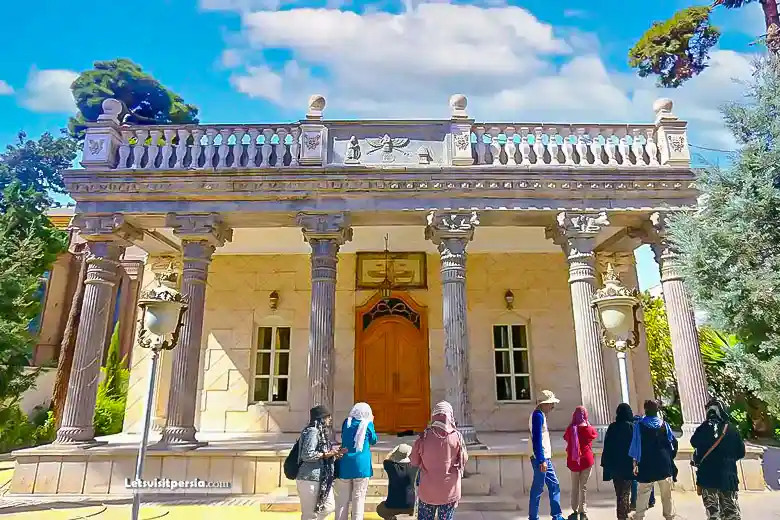
Tehran Fire Temple and tourists in the courtyard in Tehran
Tehran Fire Temple (Adorian fire temple)

Tehran Fire Temple

The Adorian Fire Temple of Tehran, also known as the Atashkadeh-e Adorian, is one of the most prominent centers of Zoroastrian worship in Iran’s capital.


Built in 1917 by the Zoroastrian community, this temple symbolizes the enduring presence of ancient Persian faith within the modern city.


Its architectural design follows the classical style of fire temples, with a simple yet elegant facade, symmetrical columns, and a serene courtyard leading to the sanctuary where the sacred fire is kept.


Though the innermost chamber is reserved for Zoroastrian priests, the temple’s outer areas reflect a sense of peace and respect for all visitors who wish to learn about one of the world’s oldest monotheistic religions.

Beyond its spiritual function, the Adorian Fire Temple stands as a cultural landmark connecting Iran’s ancient heritage to its contemporary identity. 

It continues to host religious ceremonies, community gatherings, and cultural events that preserve Zoroastrian traditions and teachings.


For travelers and locals alike, the temple offers a rare opportunity to witness the continuity of Persian spirituality in the heart of Tehran a quiet reminder that faith, history, and identity remain deeply intertwined in Iran’s cultural landscape.

Sacred mountains and mythological connections

Dakhmeh or Towers of Silence (ritual burial sites)


Zoroastrians have respected nature for centuries and have traditionally regarded natural elements such as water, earth, and fire as sacred.


In Zoroastrian belief, the human body becomes ritually impure after death. Therefore, Zoroastrians traditionally did not cremate their dead, bury them in the ground, or place them in water, as they believed these practices could pollute the sacred elements of nature.


These restrictions eventually led to the development of dakhmas, or Towers of Silence. Zoroastrians built these structures in elevated locations, away from settlements and, in many cases, on rocky ground. They placed the bodies on stone platforms, where sunlight and birds such as vultures gradually reduced the bodies to their skeletal remains.


In this way, Zoroastrians kept the bodies away from the sacred elements of earth, water, and fire. Finally, they placed the remaining bones in a central pit within the dakhma, where they gradually decomposed over time.

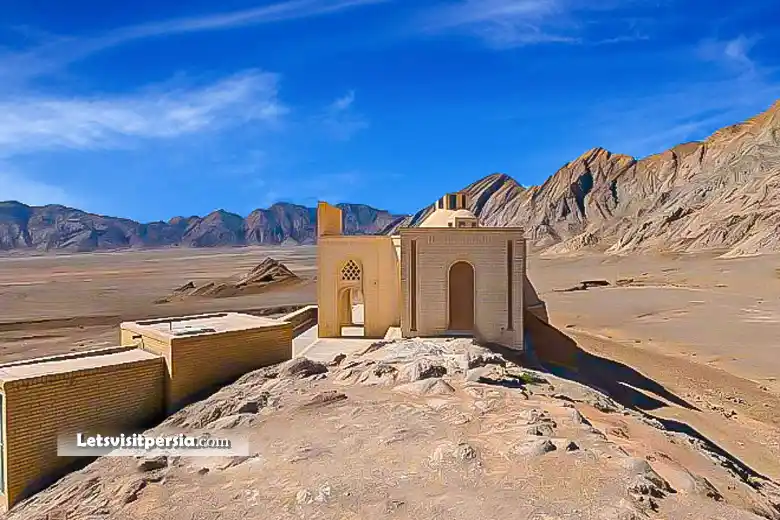
Zoroastrian Towers of Silence in Yazd, Iran

Yazd Tower of Silence

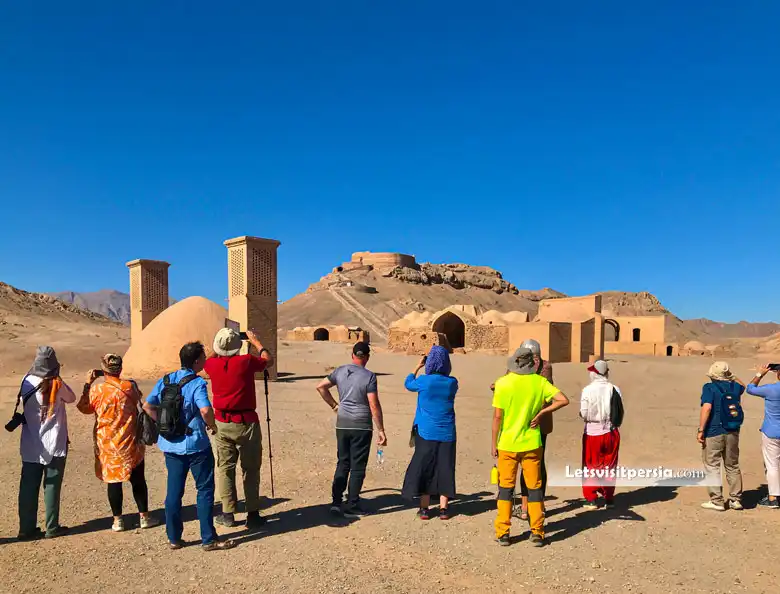
The Towers of Silence, or Dakhmeh, are ancient Zoroastrian burial sites located on the outskirts of Yazd, standing as hauntingly beautiful reminders of one of the world’s oldest religious traditions.


Built on top of barren hills to avoid contaminating the sacred elements of earth and fire, these circular stone structures were once places where the dead were laid out under the open sky.


In accordance with Zoroastrian belief, which views corpses as sources of impurity, vultures were meant to cleanse the bodies swiftly, returning them to nature in a way that maintained cosmic balance.


From a distance, the towers blend seamlessly with the desert landscape, their silence echoing the spiritual reverence of an ancient ritual that has long since faded from practice.

Today, the Dakhmehs of Yazd have become a captivating heritage site that invites visitors to reflect on the deep philosophical roots of Zoroastrianism.

The largest and most famous of these towers, situated near the village of Safaieh, still preserves its solemn aura despite centuries of desert winds.


A narrow path leads to the summit, offering panoramic views of Yazd’s golden plains and a sense of connection to the timeless beliefs that once shaped this region.

Although the practice of sky burial is no longer observed, the towers remain a powerful symbol of humanity’s effort to live and die in harmony with nature.

Cham Zoroastrian Tower of Silence near Yazd
Elevated view of Cham Zoroastrian Tower of Silence

Cham Tower of Silence

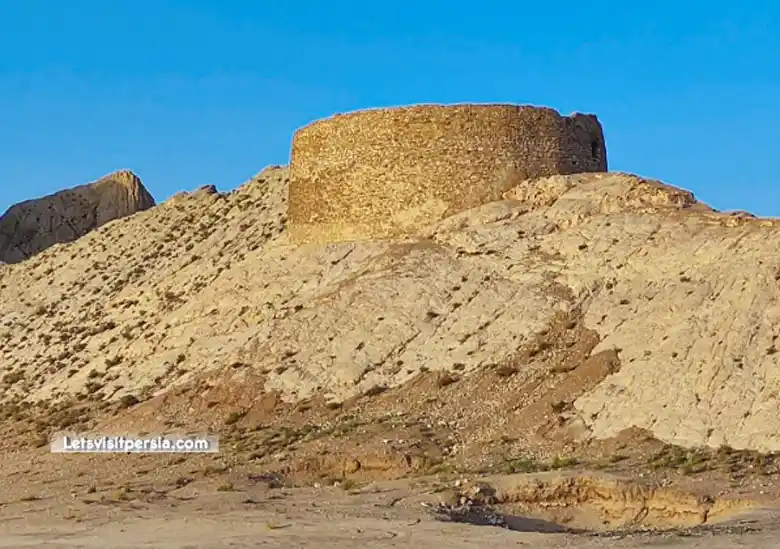
The Cham Tower of Silence is a historic Zoroastrian funerary structure located near the village of Cham in Taft County, Yazd Province.


It dates back to the Qajar period, and on 7 Mehr 1381 in the Iranian calendar (that is, in the early 2000s), it was officially registered as a national heritage artifact under registration number 6312.


In its traditional use, the Cham Dakhma functioned as a tower of silence: deceased bodies would be placed in it to be exposed to carrion birds (such as vultures), so that the flesh could be removed naturally without burying or cremation unobtrusively returning the body to nature, according to Zoroastrian cosmology that seeks to protect the sacred elements (earth, fire, water) from contamination.

Kerman Tower of Silence
Kerman Tower of Silence, a historic Zoroastrian site in Iran

Zoroastrian Dakhmeh in Kerman

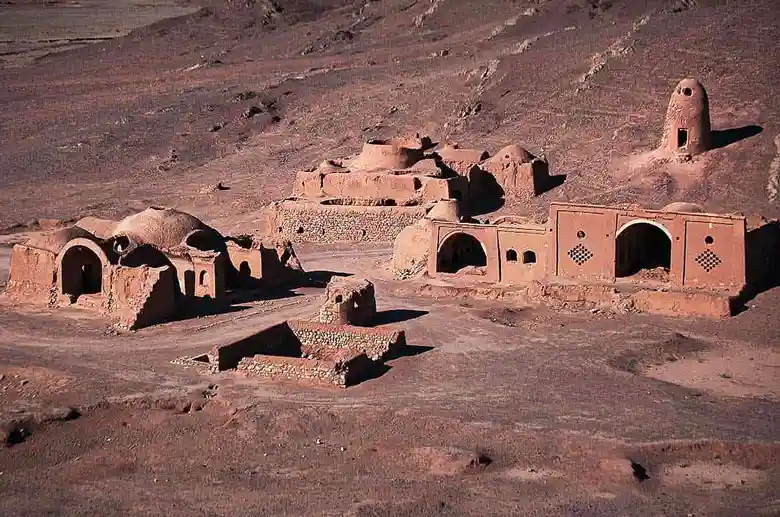
The Zoroastrian Dakhma of Kerman, located on the outskirts of the city near Kuhpāyeh Road, stands as one of the last remaining traces of the ancient sky burial tradition in southeastern Iran.


The site, often referred to as the “Tower of Silence,” dates back to the Safavid era, though some historians believe its foundations may reach even earlier, possibly to the Sasanian period.


Built on a stony hill overlooking the desert plain, the structure was used by the Zoroastrian community to lay the dead in the open air, where nature itself would complete the cycle of life without polluting the sacred elements of earth and fire.

By the mid-20th century, the use of the Dakhma came to an end as new burial customs replaced the ancient ritual. Today, the Kerman Tower of Silence remains quiet and abandoned, yet it holds a haunting dignity that attracts visitors interested in Iran’s pre-Islamic heritage.


Though not officially managed as a tourist site, the path leading up to it is still accessible, offering a striking view of Kerman’s rugged landscape.

Standing atop the hill, one can almost feel the echo of centuries-old beliefs that once guided a civilization built on respect for the balance between humanity and nature.

Historical monuments related to Zoroastrianism

Tombs and Palaces


Iran preserves a remarkable number of historic sites connected to Zoroastrianism, although many have suffered from years of neglect and now face gradual deterioration. In this section, we introduce some of the most significant and accessible sites that visitors can explore today, ranging from the tombs of renowned Persian rulers and magnificent palaces to distinctive burial sites.


Moreover, these monuments sometimes served more than one purpose. Beyond their military functions, some also played important religious and ceremonial roles, while others continued to serve different purposes throughout various periods of Iran’s history.

Ardashir Palace in Firuzabad near Shiraz
Ardashir Palace, a Sasanian-era monument in Firuzabad

Ardashir Palace

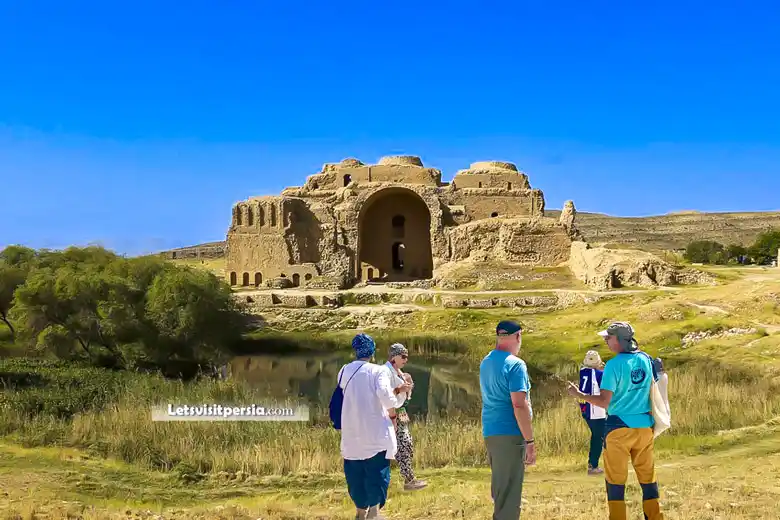
The Palace of Ardashir Papakan, located near the ancient city of Firuzabad in Fars Province, is one of the most impressive surviving examples of Sassanian religious architecture.


Built by Ardashir I, the founder of the Sassanian Empire, in the 3rd century CE, this temple represents the early phase of Zoroastrian temple construction under royal patronage.


The structure features a large domed hall based on the traditional chahar-taq (four-arched) plan, with thick stone walls and a central chamber where the sacred fire was continuously kept burning.


Its architectural style reflects both spiritual symbolism and imperial grandeur, combining religious devotion with the power and authority of the new Persian dynasty.

Situated near the palace of Ardashir and facing a natural lake, the temple’s location was chosen with great care to align with Zoroastrian cosmological principles water, fire, and earth in harmony.


Scholars believe this temple not only served as a place of worship but also as a ceremonial space that reinforced the divine legitimacy of the Sassanian kings.

Today, although the fire no longer burns, the Fire Temple of Ardashir Papakan still stands as a remarkable testament to the fusion of religion, architecture, and statecraft in ancient Persia.

Naqsh-e Rostam or Necropolis near Persepolis
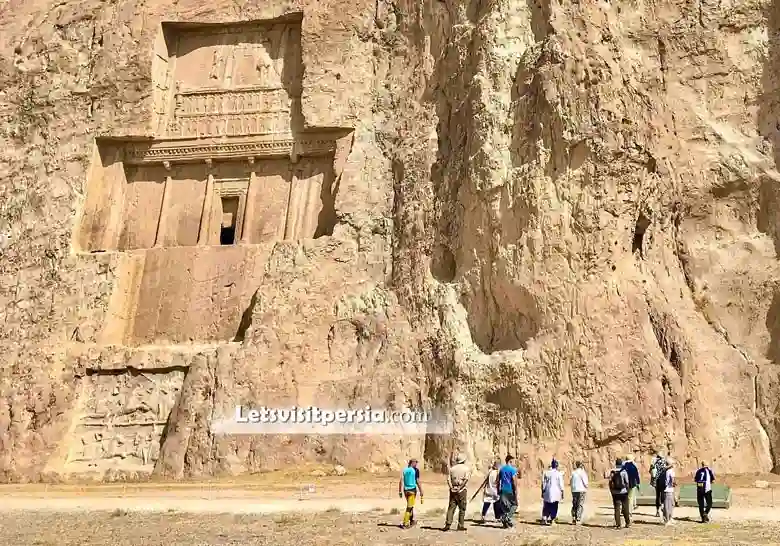
Achaemenid royal tombs and Sasanian rock reliefs at Naqsh-e Rostam

Naqsh-e Rostam

Naqsh-e Rostam, sometimes called the Necropolis, is one of Iran’s most important historical sites, where remains from several major eras, Elamite, Achaemenid, and Sassanian, appear side by side.


The four Achaemenid tombs carved high into the cliff are believed to belong to kings such as Darius the Great, Xerxes, Artaxerxes I, and Darius II.


Their cross-shaped façades, inspired by sacred symbols and early Zoroastrian ideas, along with entrances placed several meters above ground, make them a clear example of Achaemenid royal tomb architecture.

A short walk from the tombs stands the structure known as the Kaaba of Zoroaster, a stone building from the Achaemenid period.

Its exact purpose is still uncertain, but some researchers think it may have been used for keeping important records, ritual objects, or even a religious calendar.


The site also features beautiful Sassanian rock reliefs, including the coronation of Ardashir I, the founder of the Sassanian dynasty, the coronation of Shapur I, and the famous scene showing his victory over Roman emperors.


The connection between Naqsh-e Rostam and Zoroastrianism can be seen on several levels. During the Sassanian era, Zoroastrianism was the official religion, and many of the carvings directly reflect its beliefs, such as the presence of Ahura Mazda in coronation scenes or the depiction of divine glory (Farrah) as a ring handed to the king.


Even the placement of the Achaemenid tombs high above the ground and facing the sun aligns with the deep respect for light that existed in ancient Iranian beliefs and later became central in Zoroastrian teachings.


Because of this, Naqsh-e Rostam is more than a group of stone carvings or royal tombs; it is a place where you can trace the roots of Iranian religious traditions and the early foundations of Zoroastrian thought.

Plan Your Zoroastrian Heritage Trip

WhatsApp

Booking Form