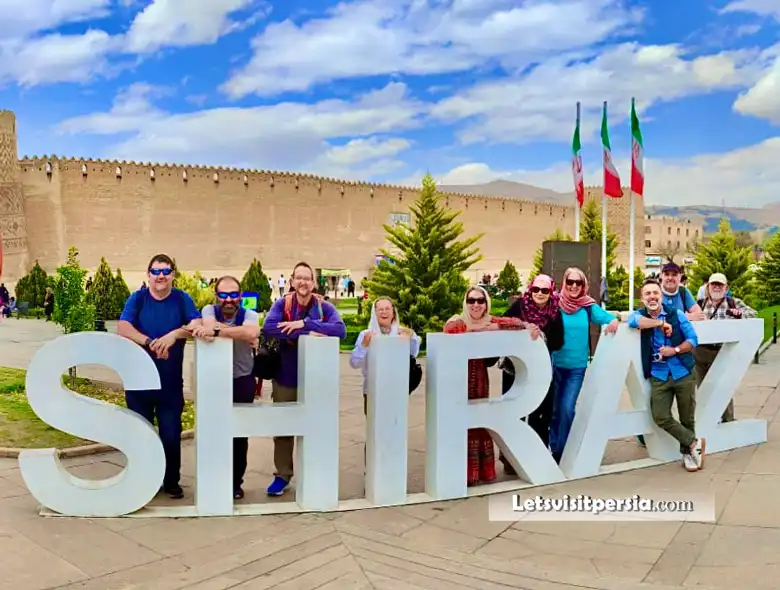
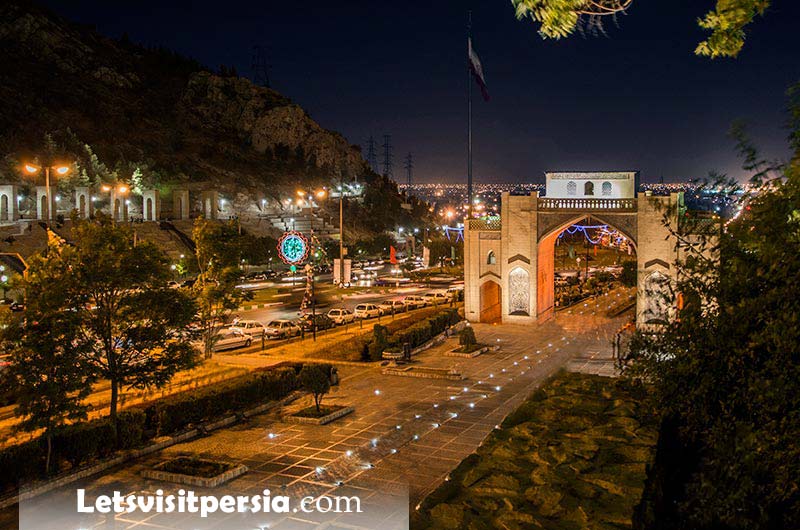
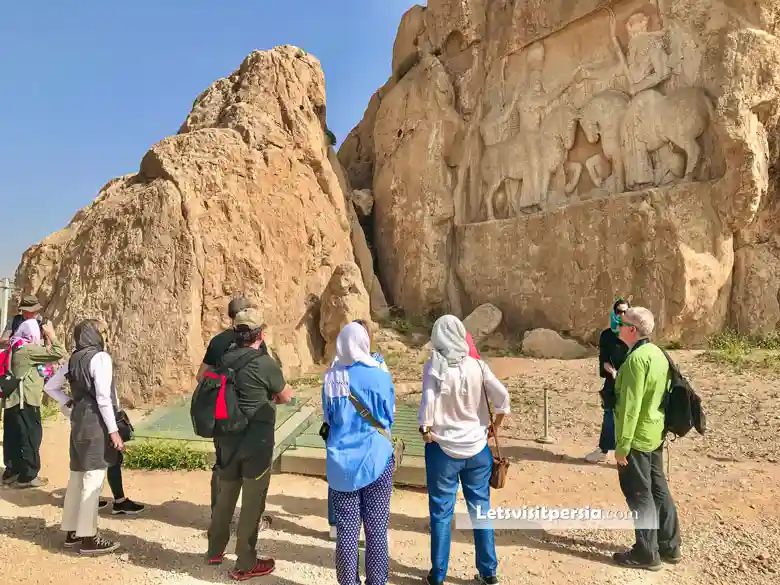
1- One of Iran’s most popular tourist destinations: For many years, Shiraz has been one of Iran’s leading tourist destinations, attracting large numbers of domestic and international visitors. Recent official tourism statistics highlight the popularity of several major attractions in and around Shiraz.
During the 2025 Nowruz holiday period, Persepolis, Hafezieh, and Saadieh were among the most visited historical and cultural sites in Iran, while Pasargadae also ranked among the most visited destinations.
2- The city of Persian poetry and literature: Shiraz has long been closely associated with Persian poetry and literature. The city is home to the tombs of two of Iran’s most celebrated poets, Hafez and Saadi, whose works continue to shape Persian literary culture.
3- Zand-era heritage: Shiraz reached a period of major development during the Zand dynasty under Karim Khan Zand, who made Shiraz his capital. Many of the city’s most important historic buildings and landmarks date from this period, reflecting the architectural and urban development of the Zand era.
4- Persian gardens: Pasargadae, the ancient capital of the Achaemenid Empire, contains the tomb of Cyrus the Great, the founder of the Achaemenid Empire, as well as one of the earliest known examples of the Persian garden.
The Achaemenid Empire also holds the Guinness World Records title for the largest empire by percentage of world population. Around 480 BC, it accounted for approximately 44% of the world’s population.
In Shiraz, Eram Garden is a notable example of Persian garden design. The city is also home to numerous historic gardens, which form an important part of its architectural and cultural heritage.
5- Close to Iran’s most famous historical sites: Shiraz is about an hour’s drive from Persepolis and Naqsh-e Rostam and around two hours from Pasargadae.
It is also the closest major city to the Sasanian archaeological sites of Firuzabad and Kazerun, which form part of the Sasanian Archaeological Landscape of Fars, a UNESCO World Heritage Site.