
Letsvisitpersia

The Cyrus Cylinder

History, Meaning & UNESCO Recognition

The Cyrus Cylinder, often described as an important historical document linked to ideas of human dignity and tolerance, has attracted global attention once again.


Furthermore, during the 43rd General Conference of UNESCO, member states recognized the Cyrus Cylinder as a cultural document that reflects early concepts of coexistence, respect for diversity, and the relationship between rulers and their communities.


This renewed recognition highlights the role of ancient Persia in shaping humanity’s shared cultural heritage. Today, as societies place greater value on intercultural understanding and dialogue, the Cyrus Cylinder continues to inspire discussions about history, governance, and cultural connections.
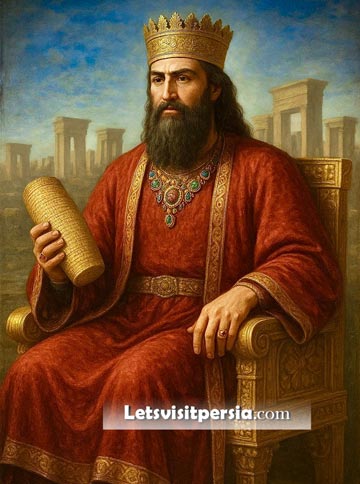
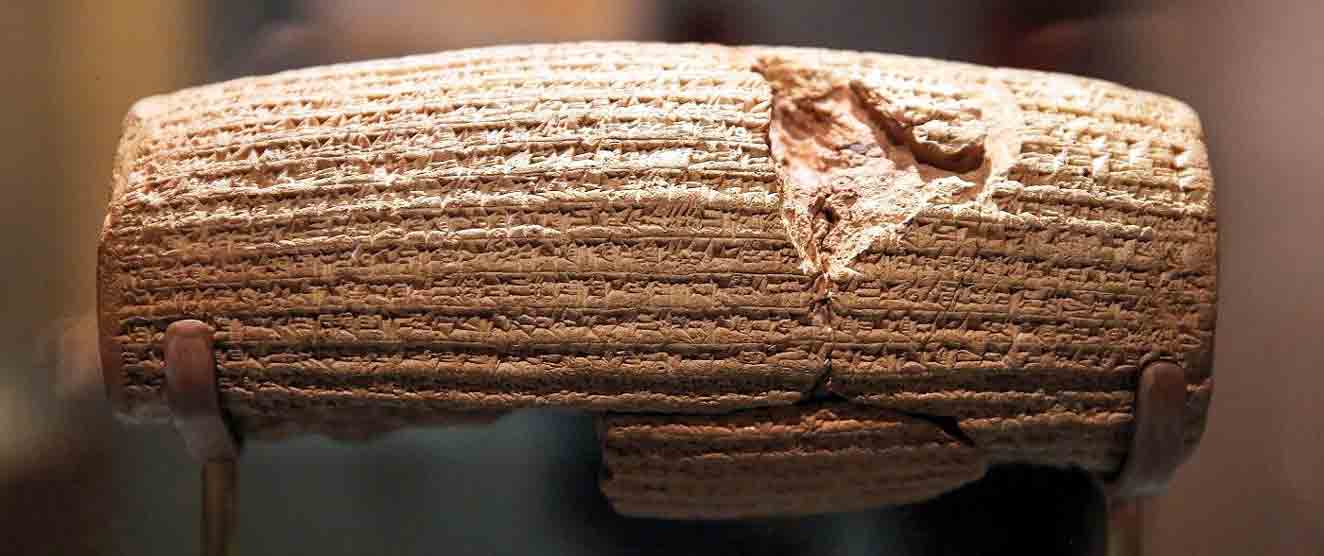
The Cyrus Cylinder – Ancient Persia’s Charter of Human Rights

The Cylinder itself dates back to the 6th century BCE and appeared after Cyrus the Great conquered Babylon. As the founder of the Achaemenid Empire, Cyrus gave this historical artifact its name: the Cyrus Cylinder.


Written in Akkadian cuneiform, the inscription describes Cyrus’s approach to kingship, including the restoration of temples, the return of displaced communities, and respect for local customs and traditions. Remarkably, these ideas reflected a different approach to ruling compared with many ancient empires of the same period.


Moreover, instead of relying solely on fear and forced assimilation, Cyrus promoted a form of governance that allowed different cultures and communities to maintain their identities. This approach later became one of the notable features associated with the Achaemenid Empire.

Cyrus the Great Cylinder

British Museum archaeologists discovered this remarkable artifact in 1879 during excavations at the ancient site of Babylon, located in modern-day Iraq.


Although the Cyrus Cylinder is displayed at the British Museum in London, the story of Cyrus the Great continues throughout Iran.


Many travelers who know about the Cyrus Cylinder and are eager to visit Iran also choose a Persepolis tour to better understand the history of the Achaemenid Empire and to visit nearby Pasargadae, the final resting place of Cyrus the Great.


Over the years, the Cyrus Cylinder has traveled to several countries for special exhibitions, attracting the attention of historians, travelers, and cultural enthusiasts alike.


Furthermore, its continued presence on the global stage highlights its importance as both an archaeological treasure and a valuable source for understanding ancient ideas of kingship, culture, and governance.

What Does the Cyrus Cylinder Say?

The Cyrus Cylinder records the message that Cyrus the Great issued after his conquest of Babylon in 539 BCE. Rather than focusing only on military victory, the inscription explains how Cyrus restored order, rebuilt temples, returned displaced communities and their sacred objects to their original places, and aimed to create stability throughout his empire.


Moreover, ancient scribes wrote the text in Akkadian cuneiform, and the artifact remains one of the most important surviving documents from the Achaemenid period. It provides valuable insight into Cyrus’s approach to kingship, governance, and his relationship with the diverse peoples under his rule.

Cyrus Declares His Kingship

  • I am Cyrus, the great king, ruler of many lands, descendant of a royal family whose reign was established through generations.
  • When the people of Babylon suffered under an unjust ruler who neglected their traditions and dishonored their temples, the god Marduk searched for a worthy leader. He chose me to restore order and bring peace to the land.

The Peaceful Entry into Babylon

  • I entered Babylon without violence or destruction. The city’s people welcomed my arrival, and I ensured that fear and chaos did not disturb their daily lives. My army marched with discipline, and I protected both the city and its inhabitants.
  • I respected the customs, beliefs, and sacred places of Babylon. The neglected temples were repaired, and the rituals that had long been interrupted were allowed to continue once again.
Cyrus Cylinder
Cyrus Cylinder

Restoring Temples and Returning the People

  • The sacred images that had been taken away from many cities were returned to their rightful sanctuaries. Likewise, communities that had been displaced from their homes were allowed to return and rebuild their lives in their ancestral lands.
  • Throughout my empire, I sought stability rather than oppression. I worked to restore prosperity, strengthen the cities, and promote harmony among the diverse peoples living under my rule.
A Blessing for the Kingdom
  • May Marduk and all the great gods remember these deeds with favor. May they bless my reign, protect my kingdom, and grant long life and prosperity to me and to my son, Cambyses.
Conclusion

Although many people describe the Cyrus Cylinder as an early symbol connected to ideas of justice and tolerance, its true importance comes from what it reveals about the political and religious traditions of the ancient Near East.


As an official royal inscription, the cylinder shows how Cyrus the Great presented his rule after conquering Babylon, highlighting themes of restoration, stability, and respect for local customs.


Today, this remarkable artifact remains one of the most significant surviving objects from the Achaemenid Empire. Furthermore, it continues to attract historians, archaeologists, and visitors from around the world who seek to better understand the legacy of Cyrus the Great and ancient Persia.

Want to see the legacy of Cyrus the Great with your own eyes?

Explore our multi-day Iran tour packages and visit the country’s greatest historical treasures, including Persepolis, Pasargadae, and more.

Vahid Shokoohi

I’m an Iran travel writer, photographer, and tour guide with more than 15 years of experience in inbound tourism. Through firsthand travel across Iran and years of working with international visitors, I share practical travel advice, local insights, and authentic experiences to help you explore Iran with confidence.

Share this post

5/5 - (2 votes)

Leave a Reply

Your email address will not be published. Required fields are marked *